
Panel Upgrades
5 Signs You Need an Electrical Panel Upgrade
Tripping breakers, dimming lights, a fuse box or a burning smell can mean your electrical panel needs an upgrade. Learn the 5 signs GTA homeowners should know.
By the Nexline Electrical team Published Updated
Quick answer
The five most common signs you need an electrical panel upgrade are breakers that trip often; lights that flicker or dim when appliances start; a fuse box instead of breakers; burning smells, heat or scorch marks at the panel; and plans to add a major load such as an EV charger or heat pump. Nexline Electrical's licensed electricians assess panels across the GTA and file upgrades with ESA.
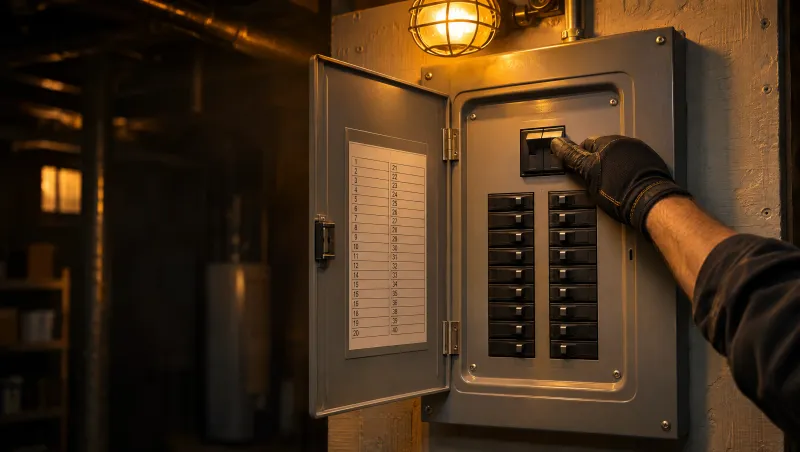
Your electrical panel takes the power supplied by your utility and divides it into the circuits that run your home, with a breaker or fuse protecting each one. Like any equipment, it ages. Many older homes across the GTA still have panels and services that were sized long before electric vehicles, heat pumps, induction ranges and home offices added to the load.
A panel that’s struggling usually gives you warning signs first. Here are five of the most common, what each one means, and what to do next.
What are the signs you need an electrical panel upgrade?
1. Your breakers trip often
A breaker trips when a circuit draws more current than its wiring can safely carry, or when there’s a fault. An occasional trip when a space heater and a hair dryer share a circuit is the breaker doing its job. Frequent trips, especially when several appliances run at once, suggest your circuits or your panel no longer match how your household uses power.
Tripping doesn’t always mean you need a new panel. Sometimes one overloaded circuit needs to be split, or a worn breaker needs to be replaced. A licensed electrician can find the cause. Never install a larger breaker to stop the tripping: the wire is still the same size, and it can overheat.
2. Your lights flicker or dim when appliances start
A brief dip when a large motor starts, such as an air conditioner, can be normal. Lights that dim noticeably every time the dryer, microwave or furnace fan kicks on, or flickering that gets worse over time, can point to an overloaded service or a loose connection at the panel. Loose connections create heat, so this is worth having checked. If your neighbours notice the same thing, let your local utility know, since the problem may be on its side of the meter.
3. You still have a fuse box
The Ontario Electrical Safety Code (OESC) isn’t retroactive, so an existing fuse panel isn’t automatically a code violation, and a fuse of the right size still protects its circuit. But fuse panels usually come with other limits:
- A small service, often 60 A, that leaves little room for modern loads
- Too few circuits for today’s kitchens, laundry rooms and home offices
- The risk of over-fusing, where a blown fuse is replaced with a larger one and the wiring is no longer protected
Fuse panels also make it harder to add the arc-fault (AFCI) and ground-fault (GFCI) protection that today’s code calls for on many new circuits, and many insurers ask about them. If you’re planning a renovation, the fuse panel is usually the first thing to replace.
4. You notice burning smells, heat, scorch marks or rust
These are the signs not to wait on. A burning smell, scorch marks, a panel cover that feels hot, or crackling and buzzing can mean a loose connection, a failing breaker or arcing inside the panel. Rust or water stains mean moisture is getting in, sometimes through the service entrance or a damp basement wall.
If you see smoke or flames, leave the house and call 911. Otherwise, don’t remove the panel cover. Call a licensed electrician and have it inspected right away.
5. You’re planning a renovation, addition or EV charger
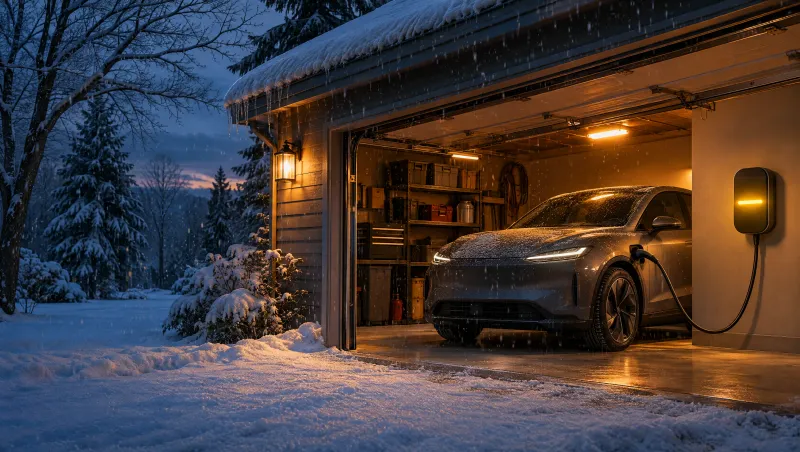
Sometimes a panel is fine for today and too small for what’s next. A basement apartment, an addition, a hot tub, a heat pump, an induction range or an EV charger can each add a large load. Before you commit to the project, have an electrician run a load calculation based on the OESC. It shows how much capacity you actually have, and whether you need a bigger service, a sub-panel or no change at all. For EV chargers, a load management system can sometimes avoid a service upgrade altogether.
Do you need a new panel or a bigger service?
“Panel upgrade” can mean two different jobs, and the load calculation tells you which one fits:
- Panel replacement: an old fuse box or worn breaker panel is swapped for a new one at the same service size, giving you modern breakers and room for more circuits.
- Service upgrade: the capacity coming into the house is increased, for example from 100 A to 200 A. This usually includes a new panel and may include a new meter base and service entrance.
Not every home needs 200 A. A house with gas heating and modest loads may be well served by a new 100 A panel, while a home adding an EV, a heat pump and a second suite may need more. Our electrical panel upgrade service explains the options in more detail.
What does a panel upgrade involve in Ontario?
Most upgrades involve three parties: your electrician, the Electrical Safety Authority (ESA) and your local utility.
- An electrician assesses your panel, runs the load calculation and quotes the job.
- Your electrician files a notification of work with ESA, often called a permit.
- For a service upgrade, your electrician books the disconnect and reconnect with your utility, such as Toronto Hydro, Alectra Utilities or Elexicon Energy.
- The new panel and service equipment are installed, and your circuits are transferred and labelled.
- ESA inspects the work and, for a service upgrade, authorizes the utility to reconnect power.
Once the work passes inspection, ESA issues a Certificate of Acceptance. Keep a copy with your house records, since insurers and future buyers often ask for it.
Who should upgrade an electrical panel in Ontario?
Licensed electricians should do the work. They file the notification of work with the Electrical Safety Authority (ESA), often called a permit, and book the inspection. Be wary of anyone who offers to skip the permit, or asks you to take it out in your own name. The notification is what triggers ESA’s inspection, and it’s your record that the work was done properly.
Not sure whether your panel needs an upgrade?
You don’t have to diagnose it yourself. Nexline Electrical assesses panels for homeowners in Toronto and communities across the GTA, then explains whether you need a new panel, a service upgrade or neither. The licensed electricians on your job file the notification of work (the ESA permit) and book the inspection.
Troubleshooting a fault is a paid diagnostic visit. Quotes for planned work, such as panel upgrades, EV chargers and renovations, are free. Request a free quote or call (647) 768-6872 to book an assessment.
Frequently asked questions
Is an old fuse box dangerous?
Not automatically. A fuse panel still protects its circuits when every fuse is the correct size for the wire it feeds. The risks are over-fusing, where a larger fuse is installed so it stops blowing, worn or heat-damaged fuse holders, and a service too small for modern loads. Many insurers also ask about fuse panels. A licensed electrician can inspect yours and tell you whether replacing it makes sense.
Is a warm or buzzing electrical panel an emergency?
It can be. A breaker may feel slightly warm when its circuit is heavily loaded, but a panel shouldn't feel hot, buzz loudly, crackle or smell like burning. Those signs can mean a loose connection, a failing breaker or arcing, any of which can start a fire. If you see smoke or flames, leave and call 911. Otherwise, don't open the panel, and call a licensed electrician right away.
My panel is full. Can an electrician just add more breakers?
Sometimes. Some panels accept tandem breakers, which fit two circuits in one space, but only where the panel's label allows them. A sub-panel can also add spaces for a garage, addition or basement. A full panel often means the service is close to its limit, though, and extra spaces don't add capacity. A load calculation shows whether you can safely add circuits or need an upgrade.