
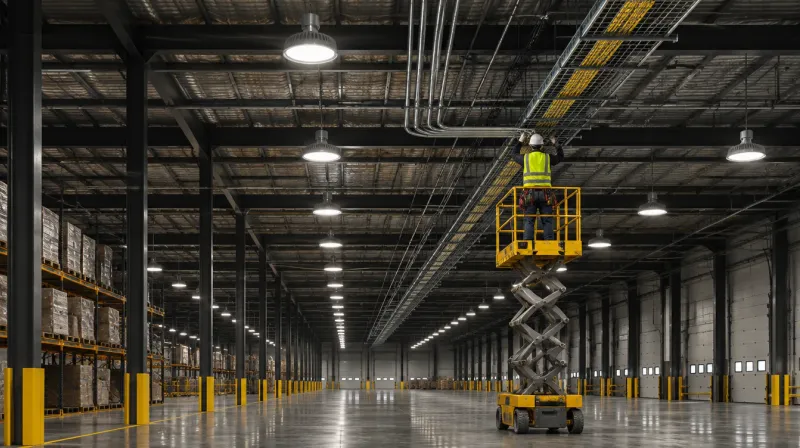
 commercial
Commercial Electrical Services
Electrical installations and upgrades for offices, retail, restaurants, warehouses and industrial facilities across the GTA.

Home & business service
Repairs, troubleshooting and scheduled maintenance programs that keep commercial and residential electrical systems safe.
Quick answer
Electrical maintenance and repairs cover finding and fixing faults, such as tripping breakers, dead circuits or overheating equipment, and inspecting systems on a schedule so problems are caught early. Businesses in the GTA use planned maintenance to reduce unplanned downtime, while homeowners call for troubleshooting and repairs. In Ontario, repairs must meet the Ontario Electrical Safety Code and should be done by licensed electricians.
Nexline Electrical provides troubleshooting and repairs, along with scheduled maintenance programs for commercial and industrial facilities across Toronto and the GTA. We also handle repairs for homeowners. All work is done by licensed electricians to the Ontario Electrical Safety Code (OESC), and filed with the Electrical Safety Authority (ESA) where required.
Treat any of these as urgent:
For urgent electrical problems, call us at (647) 768-6872 and tell us what’s happening.
Good troubleshooting finds the cause, not just the symptom. A breaker that keeps tripping is doing its job. Replacing it with a larger one hides the problem and creates a fire risk.
For businesses, the most expensive electrical problem is the one that shuts you down unexpectedly. A scheduled maintenance program helps facility and property managers find problems early, plan repairs around operations, and keep records of the condition of their electrical systems.
Each program is built around your facility, your equipment and your operating schedule.
Our commercial electrical maintenance checklist explains each of these checks in more detail.
Loose connections, overheating and worn components usually give warning signs before they fail. Catching them during a scheduled visit means repairs can be planned for a convenient time, rather than happening during an unplanned outage. Regular visits also build a documented history of your electrical system, which helps when insurers, landlords or auditors ask how it is maintained. For larger systems, see our power distribution services.
There’s no single schedule for every building. The right interval depends on your equipment, how critical it is, the operating environment, manufacturer recommendations and your insurer’s requirements. Many facilities schedule at least an annual inspection, with more frequent checks for critical equipment or harsh conditions such as dust, moisture or vibration. Emergency lighting also has its own testing requirements under the Ontario Fire Code.
Homeowners call us for tripping breakers, dead outlets, flickering lights, faulty switches and other electrical faults. If a repair points to a bigger issue, such as an overloaded panel or deteriorating older wiring, we explain the options clearly. Larger projects are covered by our residential electrical services, and capacity problems by our panel upgrade service.
We explain what we found and your options before repair work goes ahead, and maintenance programs are quoted free of charge.
Dealing with an electrical problem, or want to stop the next one before it starts? Request service or a quote, or call (647) 768-6872 to speak with Nexline Electrical.
How it works
Tell us what's happening and whether it's urgent. For a maintenance program, we start by reviewing your site and equipment.
An electrician tests the affected circuits and equipment to find the root cause, not just the symptom. Troubleshooting a fault is a paid diagnostic visit.
We explain what we found and your options, then complete the repair. Where a notification of work is required, the licensed electricians on your job file it with ESA. For maintenance, we set a schedule that suits your facility.
We confirm everything is working safely and flag anything that should be monitored or addressed later.
FAQ
Treat it as an emergency if you notice a burning smell, smoke or scorch marks at outlets or panels, sparking or loud buzzing, water in contact with electrical equipment, or a shock from a fixture or appliance. Partial power loss, where some circuits work and others don't, also needs prompt attention. If there is fire or smoke, leave the building and call 911. Stay at least 10 metres away from downed power lines.
A breaker that trips is protecting the circuit from overload or a fault, so don't keep resetting it. Unplug devices on that circuit and try resetting once. If it trips again with little or nothing connected, trips immediately, or feels hot, leave it off and call a licensed electrician. Never replace a breaker with a larger one to stop the tripping, because that can let the wiring overheat.
Flickering can be as simple as a loose bulb or an LED that isn't compatible with its dimmer. If several lights flicker at once, dim when large appliances start, or the problem keeps getting worse, the cause may be a loose connection, an overloaded circuit or an issue with your service. Loose connections can overheat, so have a licensed electrician check persistent or widespread flickering.
A maintenance program is built around your facility and equipment, but it commonly includes visual inspection of panels, switchgear and transformers; tightening connections during planned shutdowns; testing GFCI devices; testing emergency lighting and exit signs; and reviewing loads on key circuits. Each visit ends with a summary of findings and any repairs we recommend, so you can plan and budget for them.
It depends on the equipment, how critical it is, the environment it operates in, manufacturer recommendations and your insurer's requirements. Many facilities schedule at least an annual inspection, with more frequent checks for critical equipment or harsh conditions such as dust, moisture or heavy vibration. Emergency lighting also has its own testing requirements under the Ontario Fire Code. We can recommend a schedule that suits your facility.
Yes. We offer thermal imaging scans of panels, switchgear and connections to find hot spots before they fail. Loose, corroded or overloaded connections often run hot well before they cause an outage, and a scan taken while the equipment is under load shows where. Scans can be part of a scheduled maintenance program, and problems they find can be repaired during a planned shutdown.
Yes. We troubleshoot and repair electrical problems in houses, townhomes and condos across the GTA, including tripping breakers, dead outlets, flickering lights, faulty switches and GFCI outlets that won't reset. If a repair reveals a larger issue, such as an overloaded panel or deteriorated older wiring, we explain the options so you can decide how to proceed, and any work is completed to the Ontario Electrical Safety Code.
Yes. Troubleshooting a fault is a paid diagnostic visit, because finding the cause takes testing on site. Quotes for planned work, such as panel upgrades, EV chargers and renovations, are free.
Have a different question? Browse our electrical FAQ or call (647) 768-6872.
Electrical repairs and maintenance across the Greater Toronto Area, including:
All service areas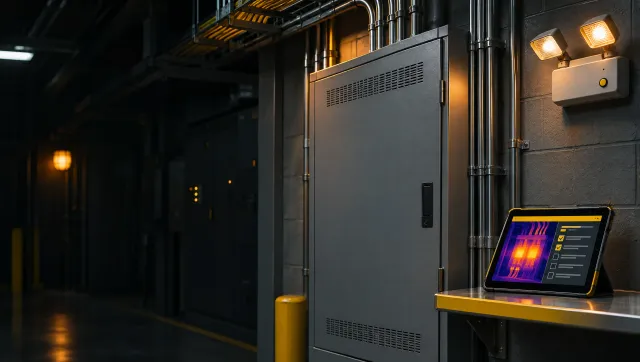 Commercial
For a fault, book a paid diagnostic visit. For planned maintenance, describe the job for a free, no-obligation quote, or call to talk it through.
Keep exploring
commercialElectrical installations and upgrades for offices, retail, restaurants, warehouses and industrial facilities across the GTA.
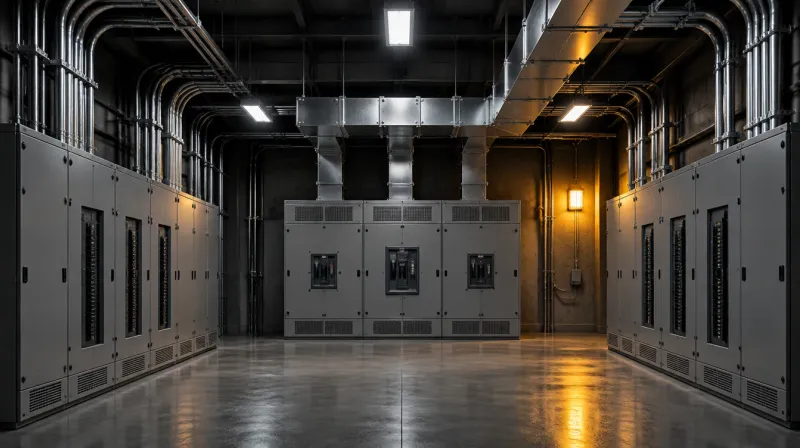 commercial
Switchgear, distribution panels, transformers and feeders that deliver reliable, high-capacity power through commercial buildings.
 residential
Wiring, lighting, renovations, repairs and smart home upgrades for houses, townhomes and condos across the GTA.

Maintenance & repairs
Troubleshooting a fault is a paid diagnostic visit, and quotes for planned maintenance are free. Tell us what’s going on and we’ll follow up to book a time. Prefer to talk it through? Call us.