
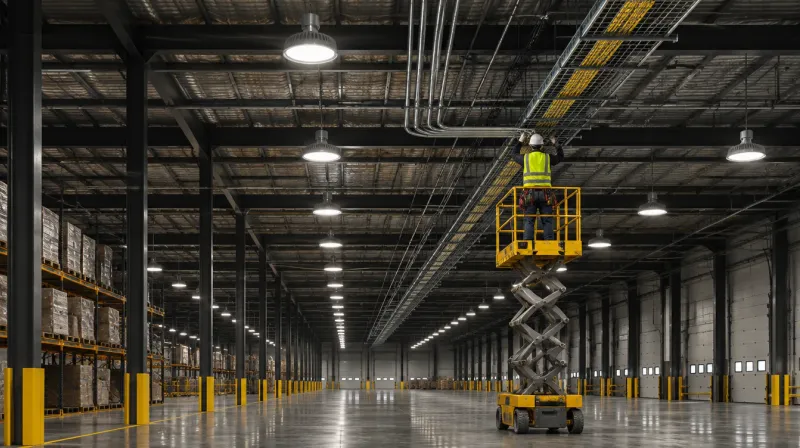
 commercial
Commercial Electrical Services
Electrical installations and upgrades for offices, retail, restaurants, warehouses and industrial facilities across the GTA.

Commercial service
Switchgear, distribution panels, transformers and feeders that deliver reliable, high-capacity power through commercial buildings.
Quick answer
A power distribution system takes electricity from the utility service and delivers it safely through a building, using switchgear, feeders, transformers and distribution panels. Commercial and industrial facilities in the GTA need distribution upgrades when they add equipment, expand, install EV charging or outgrow aging gear. In Ontario, this work must meet the Ontario Electrical Safety Code and is filed with the Electrical Safety Authority (ESA).
As commercial and industrial facilities add equipment, electrify heating and install EV chargers, the system that carries power through the building has to keep up. Nexline Electrical installs and upgrades power distribution systems for commercial and industrial buildings across Toronto and the GTA, working alongside owners, facility managers, engineers and the local utility. All work is filed with the Electrical Safety Authority (ESA) and completed to the Ontario Electrical Safety Code (OESC).
Power distribution is everything between the utility supply and the equipment that uses it. In a typical commercial building, that includes:
A well-designed system delivers capacity where it’s needed, isolates faults so a single problem doesn’t shut down the whole building, and leaves room to grow.
New and upgraded main services, main disconnects and switchgear, coordinated with your local utility and built to engineered drawings where required.
Panelboards and sub-panels that bring capacity closer to the loads, whether for a new tenant unit, a production area or rooftop equipment.
Dry-type transformers that step 600 V supply down to 120/208 V for receptacles, lighting and equipment, sized for the load they serve.
Properly sized feeders, busway and conduit that carry power where it’s needed, with space planned for future additions.
Transfer switches and standby generator connections that keep the circuits you choose powered in an outage.
Many buildings are now adding loads nobody planned for when they were built: EV chargers, heat pumps, electric heating and new production lines. Before you commit to major new equipment, we assess your existing capacity using the building’s equipment and available load data.
Sometimes rebalancing existing panels or adding load management creates enough room. In other cases, new distribution equipment or a service upgrade is the better long-term investment. If EV charging is driving the change, our EV charger installation page covers workplace and multi-unit charging.
Distribution projects usually involve three groups beyond your own team:
Equipment lead times for switchgear and transformers can be significant, so it pays to start planning early.
Connecting new distribution equipment to an existing system usually requires a planned shutdown. We keep it short by:
Each project is quoted individually. The main factors are the size and rating of the equipment, engineering and utility requirements, equipment lead times, the routing and length of feeders, shutdown planning, and the condition of existing equipment. We provide free, detailed quotes after reviewing your building and drawings. Larger projects often combine distribution work with other commercial electrical services, and we can plan them together.
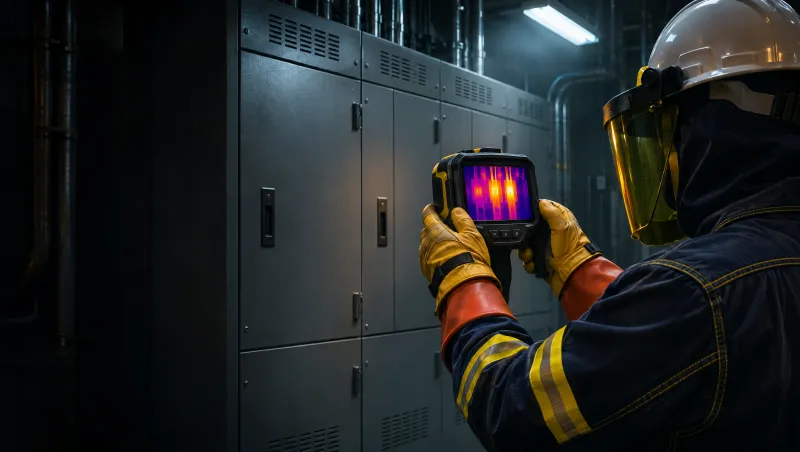
Distribution equipment needs periodic inspection to stay reliable. Our maintenance and repair programs, including thermal imaging scans of panels, switchgear and connections, help you catch overheating connections and worn components before they cause an outage.
Adding equipment, expanding or simply unsure how much capacity you have left? Request a quote or call (647) 768-6872 to talk through your building’s needs with Nexline Electrical.
How it works
We review your existing service, distribution equipment, available load data and planned additions to understand the capacity you have and need.
We work from engineered drawings where required, coordinate with your engineer and the local utility, and provide a clear quote and schedule.
New equipment is installed and prepared in advance, so any shutdowns needed for the cutover are short, scheduled and communicated.
ESA inspects new or upgraded service equipment before the utility energizes it, and reviews the rest of the work. We test the system and update panel directories and labelling.
FAQ
A power distribution system is the equipment that carries electricity from the utility connection to every area of a building. It typically includes the main service and switchgear, feeders, transformers and distribution panels that supply branch circuits. A well-designed system provides enough capacity where it's needed, isolates faults so one problem doesn't take down the whole building, and leaves room to add loads later.
Many larger commercial and industrial buildings in Ontario are supplied at 347/600 V three-phase. Lighting can run at 347 V, while transformers step power down to 120/208 V for receptacles and smaller equipment. Smaller commercial buildings are often supplied at 120/208 V three-phase. The right configuration depends on your utility supply, the equipment you run and how the building is used.
Warning signs include main or feeder breakers that trip under heavy load, no spare capacity or breaker spaces for new equipment, distribution equipment that runs hot or hums loudly, and gear so old that replacement parts are hard to find. Plans to add production equipment, electric heating, heat pumps or EV chargers are also a reason to have licensed electricians assess your capacity first.
Larger or more complex distribution projects usually involve drawings prepared by a professional engineer, and engineered drawings are often needed for building permits and utility applications. Smaller changes, such as adding a sub-panel, may not. We work from engineered drawings where required, coordinate with the engineer when site conditions call for changes, and can help you understand what your project is likely to need.
Much of the work can happen while your building stays in operation, such as installing new equipment, running feeders and preparing connections. Connecting new equipment to the existing system usually requires a planned shutdown, because working on energized equipment is avoided wherever possible. We keep shutdowns short by preparing in advance, and we schedule them with you and your property manager ahead of time.
The cost depends on the size and rating of the equipment, engineering and utility requirements, equipment lead times, the length and routing of feeders, shutdown planning and the condition of the existing system. Because distribution projects vary so much, we assess the building and review any drawings first, then provide a free, detailed quote that sets out the scope, the schedule and any assumptions.
Have a different question? Browse our electrical FAQ or call (647) 768-6872.
Power distribution work across the Greater Toronto Area, including:
All service areas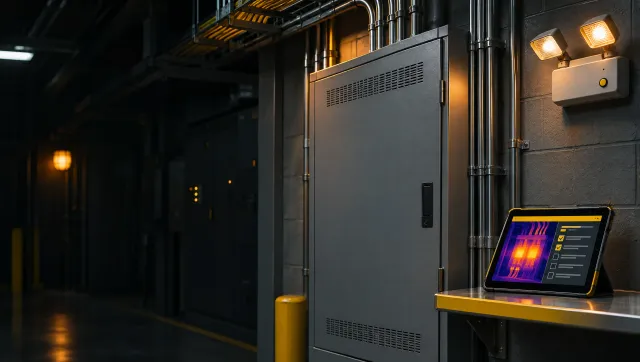 Commercial
Describe the job for a free, no-obligation quote, or call to talk it through.
Keep exploring
commercialElectrical installations and upgrades for offices, retail, restaurants, warehouses and industrial facilities across the GTA.
 Home & business
Repairs, troubleshooting and scheduled maintenance programs that keep commercial and residential electrical systems safe.
 Home & business
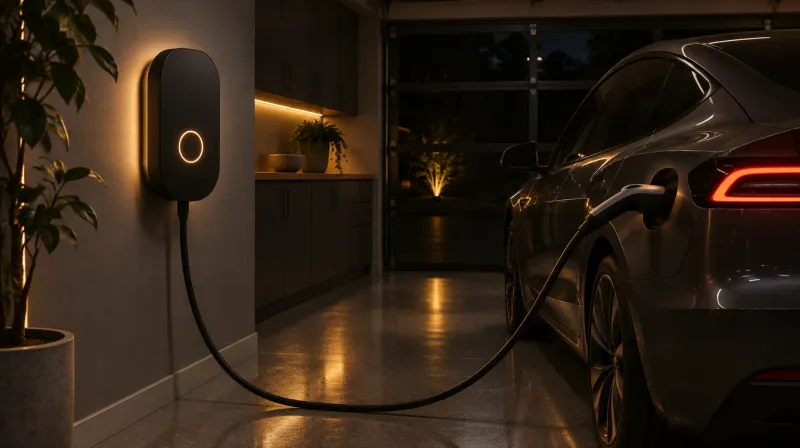
Level 2 home chargers plus commercial Level 2 and DC fast charging, sized to your panel and installed to code.

Free quote
Tell us about the job and we’ll follow up to confirm details and book a time. Prefer to talk it through? Call us.