
 residential
Electrical Panel Upgrades
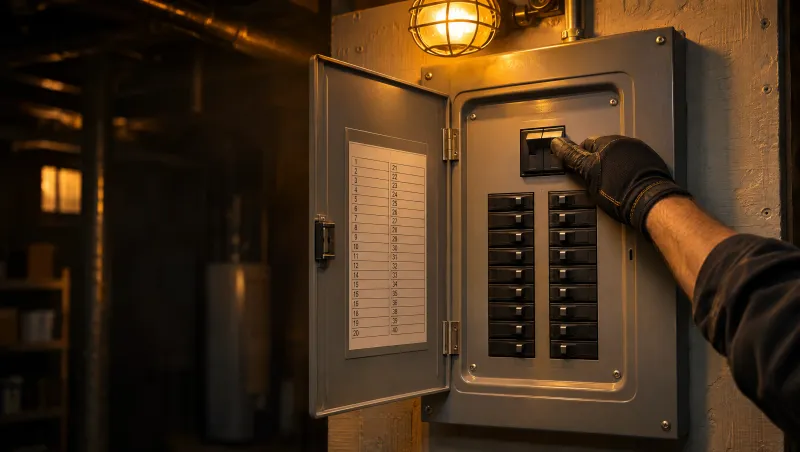
Panel replacements and service upgrades, such as 100 A to 200 A, to safely power renovations, EVs and modern appliances.

Home & business service
Level 2 home chargers plus commercial Level 2 and DC fast charging, sized to your panel and installed to code.
Quick answer
EV charger installation means adding a dedicated circuit and charging station so you can charge an electric vehicle at home or at work. Most GTA homeowners install a Level 2 charger on a 240-volt circuit, which charges much faster than a standard outlet. Licensed electricians check your panel capacity with a load calculation, file the work with Ontario's Electrical Safety Authority (ESA) and install it to code.
Home charging is the most convenient way to own an electric vehicle, but a charger is a large, long-running electrical load. Nexline Electrical installs Level 2 EV chargers for homeowners across Toronto and the GTA, and builds charging infrastructure for workplaces, multi-unit buildings and commercial sites. Every installation starts with a load calculation and is filed with the Electrical Safety Authority (ESA).
For most homeowners, Level 2 is the right fit. Chargers can be hardwired or plugged into a dedicated 240-volt receptacle, and we’ll recommend the option that suits your charger and location. We can install a charger you’ve already bought, or help you choose one that suits your vehicle and panel.
This is the most important question, and the answer comes from a load calculation based on the Ontario Electrical Safety Code (OESC). It accounts for your home’s size, heating and cooling, major appliances and the charger itself.
There are three common outcomes:
A good location makes daily charging easy and keeps the installation tidy:
We’ll walk the site with you and recommend placement before quoting.
If your household may add a second electric vehicle, mention it during the assessment. Some chargers can share one circuit and split power between two vehicles, and planning the wiring route now can save work later.
Businesses, property managers and condo boards face different challenges than homeowners. Several chargers sharing a building’s service can quickly exceed available capacity, so load management and future expansion need to be planned from the start.
For condos and rental buildings, owners usually need approval from the condominium corporation or landlord. We work with boards, property managers and their engineers to assess capacity and recommend an approach that fits the building.
DC fast chargers need three-phase power and significant service capacity, and often require a dedicated transformer, engineered drawings and coordination with the local utility. Equipment and utility lead times can be long, so early planning matters. See our commercial electrical services for larger projects, and power distribution for sites that need more capacity.
EV charger installations require a notification of work with ESA, often called a permit. The licensed electricians on your job file it, complete the work to the OESC and book the inspection. You can ask for a copy of ESA’s Certificate of Acceptance for your records. Be cautious of anyone who offers to install a charger without a permit.
For a homeowner’s walk-through of charger levels, panel capacity, permits and placement, read our EV charger installation guide for Ontario homes.
Every installation is different. The main cost factors are:
We provide free quotes, and we’ll tell you up front if your panel needs work.
Bought an EV, or about to? Request a free quote or call (647) 768-6872, and we’ll check your panel and plan an installation that fits your home or building.
How it works
We look at your panel, service size, parking spot and the wiring route, and run a load calculation to see how much capacity is available.
We recommend a circuit size and installation approach, including load management if it avoids an unnecessary upgrade, and provide a clear quote.
The licensed electricians on your job file the notification of work (the ESA permit), install the dedicated circuit and charger, and set the charger to match the circuit rating.
ESA inspects the installation as required. We confirm the charger is working and show you how to use it.
FAQ
Level 1 charging uses a standard 120-volt household outlet and is slow, adding only a modest amount of range overnight. Level 2 uses a dedicated 240-volt circuit, similar to a dryer or range, and is the usual choice for homes and workplaces. Level 3, also called DC fast charging, delivers much higher power and needs three-phase commercial electrical service, so it is installed at commercial sites rather than homes.
In practice, no. Level 3 or DC fast chargers need three-phase power and a large amount of service capacity, often with a transformer and utility involvement. Homes in the GTA are almost always supplied with single-phase power, so DC fast charging is a commercial installation. For home use, a properly sized Level 2 charger covers daily driving for most people and can usually recharge a typical EV overnight.
Not always. A Level 2 charger is one of the largest loads in most homes, so we start with a load calculation to see how much spare capacity your service has. If there's room, we install a dedicated circuit. If not, an electric vehicle energy management system can limit charging when other loads are high, which may avoid a service upgrade. If the panel is full or outdated, an upgrade may still be the better option.
Yes. Installing an EV charger involves new electrical work, which in Ontario requires a notification of work with the Electrical Safety Authority (ESA), commonly called a permit. The licensed electricians on your job file it and complete the work to the Ontario Electrical Safety Code, and ESA can inspect the installation. Properly filed work also gives you documentation that insurers and future buyers may ask for.
Yes. In condos, owners usually need approval from the condominium corporation, and building capacity is often the main constraint. Solutions can include shared load management, which spreads available power across several chargers, and planning for future expansion. We work with property managers, condo boards and their engineers to assess the existing electrical system and recommend a practical approach for the building.
The cost depends on the distance from your panel to the parking spot, how much spare capacity your service has, whether an energy management system or service upgrade is needed, and whether the installation is indoors or outdoors. Wall and ceiling finishes along the wiring route also matter. We assess your home and give you a free quote. Incentive programs change over time, so check what is currently available before you buy.
Have a different question? Browse our electrical FAQ or call (647) 768-6872.
EV charger installation across the Greater Toronto Area, including:
All service areas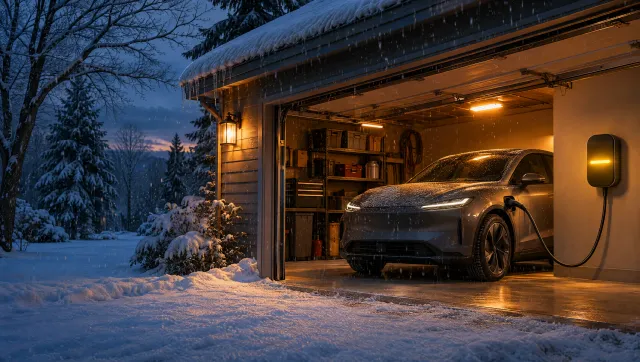 EV Charging
Describe the job for a free, no-obligation quote, or call to talk it through.
Keep exploring
residentialPanel replacements and service upgrades, such as 100 A to 200 A, to safely power renovations, EVs and modern appliances.
 residential
Wiring, lighting, renovations, repairs and smart home upgrades for houses, townhomes and condos across the GTA.
 commercial
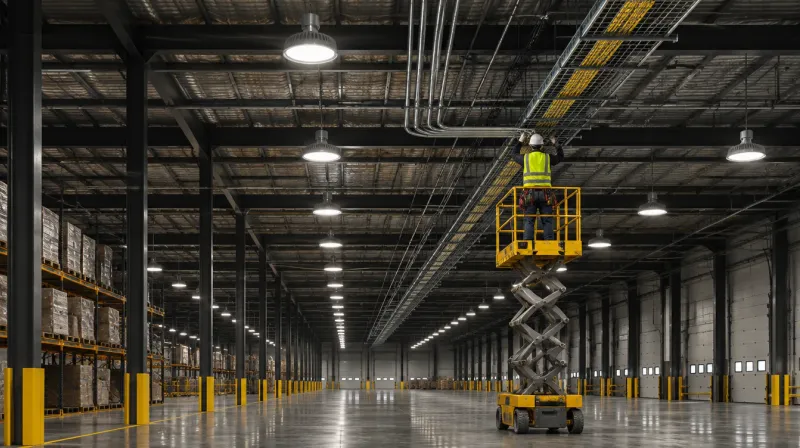
Electrical installations and upgrades for offices, retail, restaurants, warehouses and industrial facilities across the GTA.

Free quote
Tell us about the job and we’ll follow up to confirm details and book a time. Prefer to talk it through? Call us.