
EV Charging
EV Charger Installation: What Ontario Homeowners Need to Know
Planning a home EV charger in Ontario? Learn how Level 1 and Level 2 compare, how to check panel capacity, what an ESA permit involves and where to install it.
By the Nexline Electrical team Published Updated
Quick answer
Most Ontario homeowners install a Level 2 EV charger on a dedicated 240-volt circuit, which charges several times faster than a standard outlet. A licensed electrician should first run a load calculation to confirm your panel has capacity, then file a notification of work (permit) with the Electrical Safety Authority and install the charger to the Ontario Electrical Safety Code. Nexline Electrical coordinates these installations across the GTA.
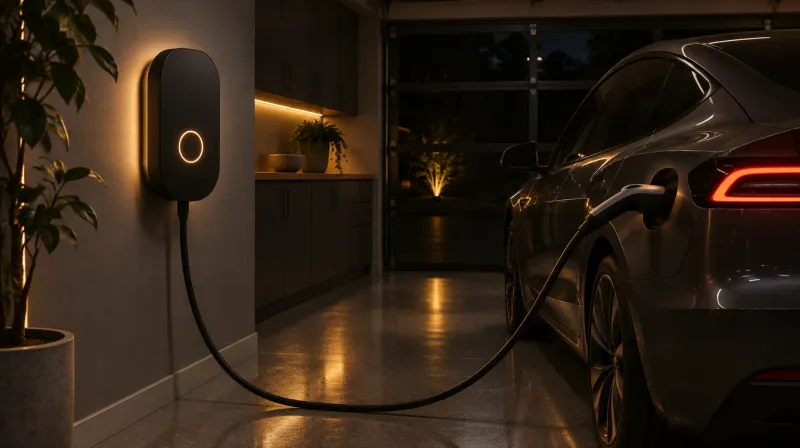
More GTA households are charging electric vehicles at home, and a home charger has become a common reason to call an electrician. It’s also one of the largest loads you can add to a house: a Level 2 charger can draw a high current for hours at a time, often overnight.
Getting it right comes down to four decisions: the charger level, your panel’s capacity, the permit and the location. Here’s what to know about each one before you buy a charger or book an installer.
Level 1 or Level 2: which home charger do you need?
| Feature | Level 1 | Level 2 |
|---|---|---|
| Power supply | Standard 120-volt household outlet | Dedicated 240-volt circuit, like a dryer or range |
| Charging speed | Slow; adds limited range overnight | Several times faster; usually a full recharge overnight |
| Installation | Plugs into a suitable existing outlet | Installed by licensed electricians under an ESA permit |
| Good fit for | Plug-in hybrids and short daily drives | Most fully electric vehicles and daily commuting |
Level 1 uses the portable cord set that comes with many EVs. It needs no new wiring, but it’s slow, and many drivers of fully electric cars find it can’t keep up with daily driving. Level 2 is what most homeowners choose, because it can usually recharge a typical EV overnight.
You may also hear about Level 3, or DC fast charging. It needs three-phase commercial power, so it’s found at commercial, fleet and public charging sites rather than homes.
Does your electrical panel have room for an EV charger?
This is the question that shapes the rest of the project. A Level 2 charger is a continuous load, so its circuit has to be rated above what the charger draws. A charger set to 40 A, for example, needs a 50 A circuit. Many chargers can be set to different current levels, which lets an electrician match the charger to the circuit your panel can support.
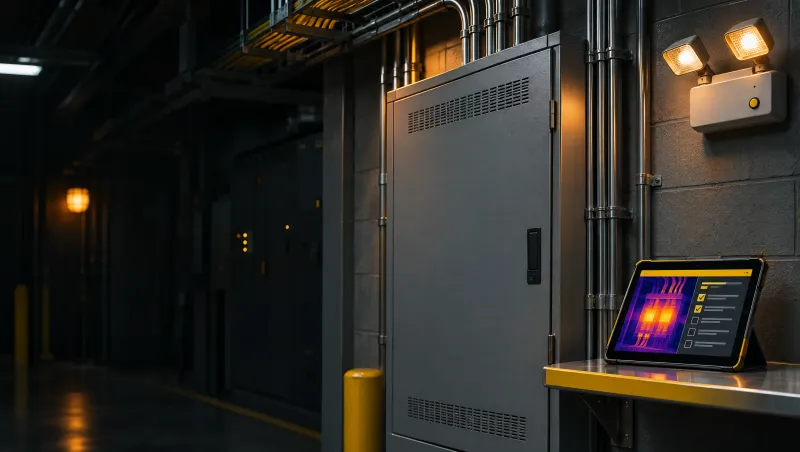
Before installation, an electrician should run a load calculation based on the Ontario Electrical Safety Code (OESC). It accounts for your home’s size, heating and cooling, major appliances and the charger itself, and compares the total with your service size. There are three common outcomes:
- There’s enough capacity. The electrician runs a dedicated circuit to the charger.
- Capacity is tight. An electric vehicle energy management system (EVEMS) monitors your home’s total load and slows or pauses charging when demand is high. This can let a charger fit without a service upgrade.
- The panel or service is too small. A panel or service upgrade makes room for the charger and for future loads such as a heat pump.
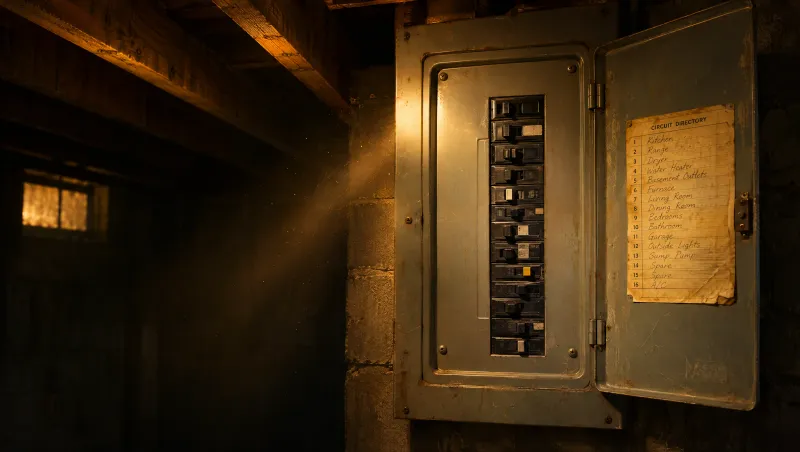
Older homes with 60 A or 100 A services are the most likely to need work. Even a 200 A service can be close to its limit in a large house with central air, a hot tub or a second suite, so it’s worth checking before you buy.
What permits and inspections does an EV charger need in Ontario?
Installing a Level 2 charger is new electrical work, so it needs a notification of work with the Electrical Safety Authority (ESA), commonly called a permit. The licensed electricians doing the work file it and install the charger to the OESC, and ESA can inspect the installation. When the work passes, ESA issues a Certificate of Acceptance. Keep it with your house records for your insurer or a future buyer.
Older guides often refer to the Canadian Electrical Code. In Ontario, the rules are set out in the OESC, which adopts the Canadian Electrical Code with Ontario-specific amendments.
If you live in a condo, there’s an extra step. You’ll need the condominium corporation’s approval, through the written application process set out in Ontario’s condominium rules, before any work starts.
Where should you install your home EV charger?
A good location makes everyday charging easy and keeps the installation tidy and safe. Think about:
- The charge port: mount the charger where the cable reaches your car’s port without stretching or crossing a walkway.
- Cable length: check the charger’s cable length before choosing a spot, especially if you sometimes park nose-in and sometimes back in.
- Distance from the panel: a shorter, more direct wiring route is usually simpler and keeps the job neater.
- Weather: for a driveway or carport, choose a charger and fittings rated for outdoor use, mounted where snow clearing and bumpers won’t hit them.
- Wi-Fi: if you want app control or scheduled charging, make sure your signal reaches the spot.
Scheduling is worth setting up. If you’re on a time-of-use or ultra-low overnight electricity price plan, charging overnight during off-peak hours can lower what you pay.
A detached garage may need a feeder and a small sub-panel run from the house. And if a second EV is likely, mention it at the assessment: some chargers can share one circuit and split the power between two cars.
Why hire licensed electricians?
A Level 2 charger runs at high current for hours, often while you’re asleep. An undersized wire, a loose termination or the wrong breaker might not cause a problem on day one, but it can overheat over months of charging. That’s why a charger should be installed by licensed electricians. Charger manufacturers’ instructions also call for installation by a qualified electrician, and an installation that doesn’t follow them can put your warranty at risk. Work filed with ESA also gives you a clear record for your insurer.
Nexline Electrical handles the whole process for homeowners across the GTA: the panel assessment and load calculation, installation, setting the charger to match the circuit, and a walkthrough once it’s running. The licensed electricians on your job file the notification of work (the ESA permit) and book the inspection.
Ready to plan your home charger?
Whether you’ve already bought a charger or you’re still comparing models, start with a panel check. Request a free quote or call (647) 768-6872, and we’ll tell you what your home needs. You can also read more about our EV charger installation service or see the GTA communities we serve.
Frequently asked questions
Should I hardwire my EV charger or plug it into a 240-volt outlet?
Both can work. A hardwired charger connects directly to its circuit, avoids wear on a receptacle and is usually needed for the highest power settings. A plug-in charger uses a dedicated 240-volt receptacle, which makes the charger easier to replace or take with you when you move. Either way, the circuit, receptacle and charger setting have to match, and the installation is filed with ESA.
How long does it take to charge an EV with a Level 2 charger?
It depends on your battery size, how much charge is left, the charger's power setting and the maximum rate your car can accept. For most drivers, a Level 2 charger can recharge a typical EV overnight, which covers daily commuting. Charging slows and range drops in cold weather, so a garage location helps during an Ontario winter if you have one.
Can an EV charger be installed outdoors in Ontario?
Yes. Many Level 2 chargers are designed for outdoor use, and driveway installations are common across the GTA. Choose a charger and fittings rated for outdoor locations, mount the unit where snowbanks, shovels and bumpers won't hit it, and hang up the cable when it isn't in use. An outdoor installation needs the same ESA notification as an indoor one.